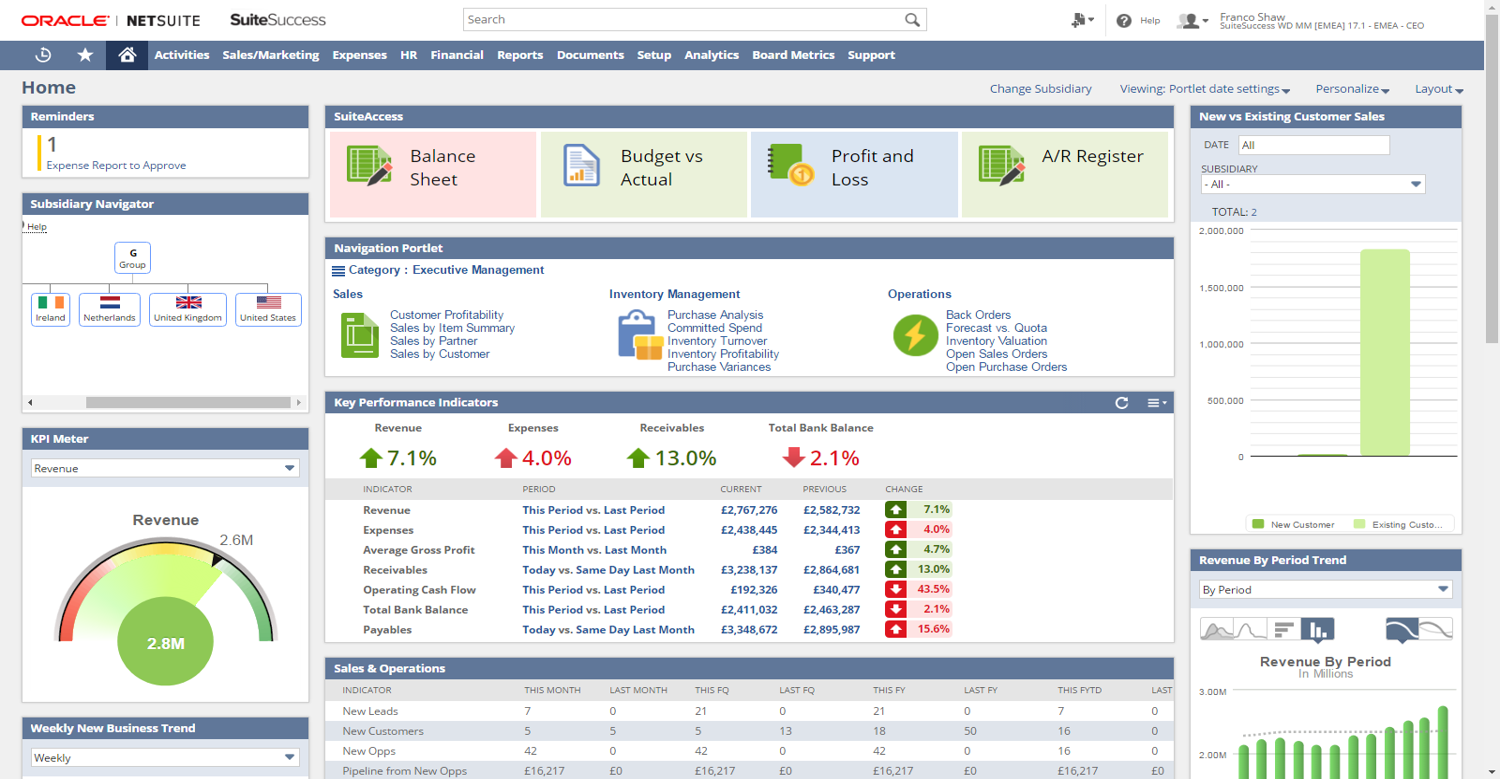
Welcome to the world of ERP wholesale distribution software, where efficiency meets convenience in managing your inventory and streamlining your operations. Imagine having all your warehouse data, sales orders, and customer information stored in one centralized system, accessible at your fingertips. With ERP software, you can track your inventory levels in real-time, automate your order processing, and improve overall customer satisfaction with timely deliveries. Say goodbye to manual data entry and hello to increased productivity and profitability with ERP wholesale distribution software.
Streamlining Inventory Management
Inventory management is a crucial aspect of wholesale distribution businesses. Inefficient inventory management can lead to overstocked warehouses, stockouts, and ultimately, lost sales. Implementing an ERP wholesale distribution software can greatly streamline inventory management processes, resulting in cost savings and improved efficiency.
One of the key features of ERP software is its ability to automate inventory tracking. With real-time data updates, businesses can easily monitor stock levels, track product movement, and optimize replenishment cycles. This eliminates the need for manual inventory checks and reduces the risk of human error, ensuring that the right products are in stock when customers need them.
Furthermore, ERP software offers advanced forecasting capabilities that help businesses make informed decisions about stock levels. By analyzing historical sales data and market trends, the system can predict future demand and recommend optimal inventory levels. This proactive approach to inventory management can prevent overstocking, minimize stockouts, and ultimately, improve customer satisfaction.
In addition to tracking and forecasting inventory, ERP software also supports efficient order processing. Businesses can set up automatic reorder points and replenishment rules, allowing them to quickly generate purchase orders and restock inventory. This streamlined ordering process saves time and reduces the likelihood of stockouts, ensuring that customers can always find the products they need.
Another benefit of ERP software is its ability to centralize and streamline procurement processes. Businesses can manage vendor relationships, negotiate better deals, and track order statuses all within the same system. This streamlined approach to procurement not only saves time but also reduces costs by optimizing purchasing decisions and minimizing supply chain disruptions.
Overall, implementing an ERP wholesale distribution software can revolutionize inventory management processes. By automating inventory tracking, improving forecasting accuracy, streamlining order processing, and centralizing procurement, businesses can optimize their inventory levels, reduce costs, and enhance customer satisfaction. In today’s fast-paced business environment, efficient inventory management is essential for success, and ERP software is the key to achieving it.
Improving Order Fulfillment Processes
Order fulfillment is a critical aspect of wholesale distribution operations, as it directly impacts customer satisfaction and loyalty. By implementing an ERP Wholesale Distribution Software, businesses can streamline and improve their order fulfillment processes, leading to increased efficiency and accuracy.
One way ERP software can enhance order fulfillment is by centralizing all relevant information in one integrated system. This includes customer orders, inventory levels, shipping information, and more. With all data consolidated in a single platform, employees can easily access real-time information, track orders, and make informed decisions faster. This not only reduces the risk of errors or delays but also improves overall visibility and communication within the organization.
In addition, ERP software can automate repetitive tasks involved in order fulfillment, such as order processing, invoicing, and shipping. By setting up predefined workflows and rules, businesses can eliminate manual data entry and streamline the entire fulfillment process. This not only saves time but also reduces the likelihood of human errors, resulting in higher accuracy and efficiency.
Furthermore, ERP Wholesale Distribution Software can provide advanced inventory management capabilities, allowing businesses to optimize their stock levels and reduce carrying costs. By tracking inventory in real-time and setting up reorder points, businesses can ensure that they have the right products on hand to fulfill customer orders promptly. This prevents stockouts and overstock situations, improving order fulfillment rates and customer satisfaction.
Another benefit of using ERP software for order fulfillment is the ability to integrate with other systems and applications. This includes customer relationship management (CRM) software, e-commerce platforms, and logistics providers. By connecting these systems, businesses can streamline data flow and automate processes across different departments, enhancing collaboration and efficiency.
Lastly, ERP software provides businesses with valuable analytics and reporting tools to monitor and optimize their order fulfillment processes continuously. By analyzing key performance indicators (KPIs) such as order cycle time, order accuracy, and fulfillment rates, businesses can identify bottlenecks, inefficiencies, and areas for improvement. This data-driven approach enables businesses to make informed decisions, implement best practices, and continually enhance their order fulfillment operations.
Enhancing Customer Relationship Management
One of the key benefits of using ERP Wholesale Distribution Software is the ability to enhance customer relationship management. This software allows businesses to track customer interactions, manage sales leads, and keep detailed records of customer preferences and purchasing history. By having all this information in one centralized system, businesses can better understand their customers and tailor their marketing strategies to meet their needs.
With ERP Wholesale Distribution Software, businesses can also improve customer service by providing faster and more accurate responses to inquiries and issues. The software allows customer service representatives to access real-time information about inventory levels, order status, and shipping updates, enabling them to provide timely and relevant information to customers. This not only improves the overall customer experience but also helps businesses build stronger relationships with their customers.
Furthermore, ERP Wholesale Distribution Software allows businesses to personalize their communications with customers. By using data analytics and reporting tools, businesses can segment their customer base and target specific groups with personalized offers and promotions. This level of personalization not only increases customer loyalty but also drives higher engagement and conversion rates.
Another way ERP Wholesale Distribution Software enhances customer relationship management is by improving the accuracy and efficiency of sales and marketing efforts. The software provides businesses with comprehensive reporting and analytics capabilities, allowing them to track the performance of their marketing campaigns and sales activities. This valuable data can help businesses identify trends, opportunities, and areas for improvement, enabling them to make more informed decisions and drive better results.
In conclusion, ERP Wholesale Distribution Software plays a crucial role in enhancing customer relationship management by providing businesses with the tools and insights they need to better understand, serve, and engage with their customers. By leveraging the capabilities of this software, businesses can improve customer satisfaction, build stronger relationships, and drive long-term success in the competitive wholesale distribution industry.
Optimizing Supply Chain Operations
When it comes to wholesale distribution, a smooth and efficient supply chain is crucial for success. Implementing an ERP software specifically designed for wholesale distribution can help streamline operations and optimize every step of the supply chain process. Here are four ways ERP wholesale distribution software can help optimize supply chain operations:
1. Inventory Management: Modern ERP systems offer robust inventory management features that allow wholesalers to track their inventory in real-time. This means you can easily monitor stock levels, manage reorder points, and optimize inventory turnover. With accurate inventory data at your fingertips, you can reduce stockouts, eliminate excess inventory, and improve overall inventory efficiency.
2. Order Processing: ERP software automates the order processing workflow, from order entry to fulfillment. By streamlining this process, wholesalers can efficiently process orders, reduce order processing times, and improve accuracy. This results in quicker order fulfillment, improved customer satisfaction, and ultimately, increased sales.
3. Warehouse Management: With ERP wholesale distribution software, you can effectively manage warehouse operations to maximize efficiency and productivity. Features such as warehouse layout optimization, barcode scanning, and automated picking and packing processes help streamline warehouse tasks and reduce errors. By ensuring that the right products are in the right place at the right time, wholesalers can improve order accuracy, minimize picking errors, and optimize warehouse space utilization.
4. Demand Planning and Forecasting: One of the most critical aspects of optimizing supply chain operations is demand planning and forecasting. ERP software utilizes advanced forecasting algorithms and historical data analysis to predict future demand accurately. By understanding demand patterns and trends, wholesalers can make informed decisions about inventory levels, production schedules, and supply chain logistics. This helps prevent stockouts, reduce excess inventory, and ensure that you have the right products available when your customers need them.
Overall, ERP wholesale distribution software plays a vital role in optimizing supply chain operations for wholesalers. By leveraging the powerful features and capabilities of ERP systems, wholesalers can streamline inventory management, improve order processing, optimize warehouse operations, and enhance demand planning and forecasting. With a well-optimized supply chain, wholesalers can increase efficiency, reduce costs, and ultimately, drive business growth and success.
Increasing Efficiency and ROI in Wholesale Distribution
Wholesale distribution is a highly competitive industry where efficiency is key to success. With the right ERP wholesale distribution software, businesses can streamline their operations, reduce costs, and ultimately increase their return on investment (ROI). Let’s take a closer look at how ERP software can help wholesale distributors boost efficiency and ROI.
1. Improved Inventory Management: One of the main challenges for wholesale distributors is managing their inventory effectively. With ERP software, businesses can track their inventory in real-time, optimize stock levels, and minimize stockouts or overstock situations. This not only reduces carrying costs but also ensures that customers receive their orders on time, improving customer satisfaction and repeat business.
2. Streamlined Order Processing: Manual order processing can be time-consuming and prone to errors. ERP software automates the order processing workflow, from order entry to fulfillment, invoicing, and payment processing. This helps wholesale distributors process orders faster, reduce order processing errors, and improve order accuracy. The result is a more efficient order fulfillment process and happier customers.
3. Enhanced Customer Relationship Management (CRM): Building strong relationships with customers is crucial for wholesale distributors. ERP software includes CRM functionalities that enable businesses to track customer interactions, manage customer accounts, analyze customer buying patterns, and provide personalized service. By having a 360-degree view of their customers, wholesale distributors can better meet their needs, anticipate their demands, and foster long-term relationships that lead to increased sales and loyalty.
4. Cost Reduction: ERP software can help wholesale distributors cut costs in various areas of their operations. By automating repetitive tasks, reducing manual errors, optimizing inventory levels, and improving order processing efficiency, businesses can lower their operating expenses. Additionally, ERP software provides real-time visibility into business performance, allowing managers to identify cost-saving opportunities, negotiate better deals with suppliers, and make informed decisions that drive profitability.
5. Data Analytics and Business Intelligence: Another key benefit of ERP software for wholesale distribution is its advanced reporting and analytics capabilities. ERP systems collect and analyze vast amounts of data from different business processes, such as sales, inventory, purchasing, and finance. By generating detailed reports, dashboards, and KPIs, wholesale distributors can gain valuable insights into their performance, identify trends, spot opportunities for growth, and make data-driven decisions. This strategic use of data analytics not only improves operational efficiency but also helps businesses stay competitive in the rapidly evolving wholesale distribution industry.
Originally posted 2024-05-19 10:52:58.