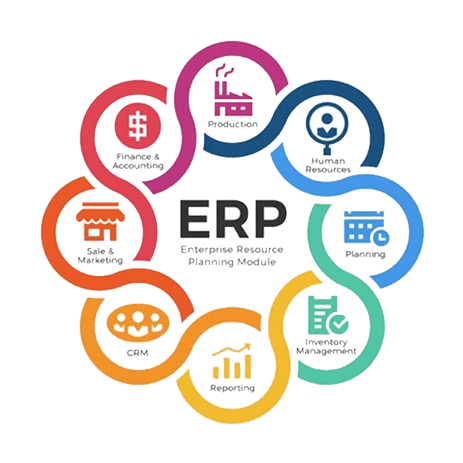
Welcome to the world of wholesale distribution, where success hinges on maximizing efficiency and profitability. In today’s fast-paced business landscape, staying ahead of the competition requires more than just hard work – it requires smart work. That’s where Enterprise Resource Planning (ERP) software comes in. By integrating all facets of your wholesale distribution operations into one centralized platform, ERP software can streamline processes, improve communication, and ultimately drive growth. Let’s explore how ERP software can revolutionize your business and take it to new heights.
Streamlining Operations with ERP Software
Running a wholesale distribution business involves a lot of moving parts – from managing inventory and orders to tracking customer information and processing payments. Without the right tools in place, it can be challenging to keep everything running smoothly. This is where ERP (Enterprise Resource Planning) software comes in to streamline operations and improve efficiency in your wholesale distribution business.
ERP software offers a centralized platform where you can manage all aspects of your business, from inventory management and order processing to customer relationship management and accounting. By having all of this information in one place, you can easily track and analyze data, make informed decisions, and improve overall business performance. This not only saves time but also reduces the risk of errors that can occur when manually managing different parts of your business.
One of the key features of ERP software for wholesale distribution is its ability to automate repetitive tasks. This includes tasks such as order processing, invoicing, and inventory management. By automating these tasks, you can free up time for your employees to focus on more strategic tasks that can help grow your business. This can lead to increased productivity and efficiency, as well as greater customer satisfaction due to faster order processing and accurate inventory tracking.
Moreover, ERP software can provide real-time visibility into your business operations. This means that you can easily track inventory levels, monitor sales performance, and analyze customer behavior in real-time. With this information at your fingertips, you can make better decisions about inventory purchasing, pricing strategies, and marketing campaigns. This can help you optimize your operations, reduce costs, and increase profits in the long run.
Another benefit of ERP software for wholesale distribution is its ability to improve collaboration and communication within your organization. With all departments using the same system, employees can easily share information, collaborate on projects, and communicate more effectively. This can help break down silos between departments and create a more cohesive and streamlined workflow. Additionally, ERP software can provide insights into customer preferences and behavior, allowing you to personalize your marketing efforts and improve customer satisfaction.
In conclusion, ERP software is a powerful tool for streamlining operations in wholesale distribution businesses. By automating repetitive tasks, providing real-time visibility into business operations, and improving collaboration and communication, ERP software can help you run a more efficient and profitable business. If you want to stay competitive in the wholesale distribution industry, investing in ERP software is a smart choice that can bring numerous benefits to your business.
Managing Inventory in Wholesale Distribution with ERP
Inventory management is a crucial aspect of wholesale distribution businesses. It involves tracking the movement of goods in and out of the warehouse, ensuring proper stock levels are maintained, and optimizing inventory turnover. ERP software plays a key role in streamlining and automating these processes, making inventory management more efficient and accurate.
With ERP software, wholesale distributors can track their inventory in real-time, allowing them to have a clear view of stock levels at any given moment. This real-time visibility helps in preventing stockouts, overstocking, or any discrepancies in inventory records. By having accurate and up-to-date information about their inventory, distributors can make more informed decisions regarding purchasing, sales, and production.
ERP systems also offer features such as barcode scanning and RFID technology integration, which helps in automating the process of receiving, picking, and shipping goods. This reduces the chances of human error and speeds up the inventory management process. By scanning barcodes or using RFID tags, warehouse staff can easily identify products, update inventory records, and track the movement of goods throughout the supply chain.
Furthermore, ERP software allows wholesale distributors to set up automated replenishment triggers based on preset parameters such as reorder points, lead times, and sales forecasts. This ensures that stock levels are maintained at optimal levels, reducing excess inventory carrying costs and minimizing the risk of stockouts. Automating the replenishment process also streamlines purchasing activities and saves valuable time for the purchasing team.
Another benefit of using ERP software for inventory management in wholesale distribution is the ability to analyze data and generate reports. ERP systems can provide detailed insights into inventory turnover, trends, and performance metrics, allowing distributors to identify areas for improvement and make strategic decisions. By utilizing these reports, distributors can optimize their inventory levels, forecast demand more accurately, and reduce carrying costs.
In conclusion, ERP software plays a vital role in managing inventory in wholesale distribution businesses. By providing real-time visibility, automating processes, setting up replenishment triggers, and generating insightful reports, ERP systems help distributors optimize their inventory management practices and improve overall efficiency. With the right ERP solution in place, wholesale distributors can streamline their operations, reduce costs, and stay competitive in the fast-paced market.
Enhancing Customer Satisfaction Through ERP Solutions
Customer satisfaction is key to the success of any wholesale distribution business. Ensuring that customers receive their orders accurately and on time is crucial for building strong relationships and fostering loyalty. By implementing ERP software specifically designed for wholesale distribution, businesses can streamline their operations and provide a higher level of service to their customers.
One way ERP solutions can enhance customer satisfaction is by improving order accuracy. With ERP software, businesses can automate the order management process, reducing the likelihood of errors caused by manual data entry. This means that customers will receive the correct products in the right quantities, leading to fewer returns and exchanges and ultimately higher customer satisfaction.
ERP software can also help businesses improve their supply chain management, which is essential for meeting customer demand and delivering orders on time. By tracking inventory levels, monitoring sales trends, and optimizing order fulfillment processes, ERP systems can help wholesale distributors ensure that they always have the right products in stock when customers need them. This leads to faster order processing and delivery times, which in turn boosts customer satisfaction.
Furthermore, ERP solutions can provide businesses with valuable insights into their customers’ purchasing behavior and preferences. By analyzing data collected through the ERP system, businesses can identify trends, anticipate customer needs, and tailor their products and services accordingly. This personalized approach can greatly enhance the customer experience and strengthen customer relationships, leading to greater satisfaction and loyalty.
In addition to improving order accuracy, supply chain management, and customer insights, ERP software can also enhance customer satisfaction through better communication and transparency. With ERP systems, customers can easily track the status of their orders, access real-time inventory information, and receive updates on delivery times. This level of visibility and communication can help build trust and confidence with customers, ultimately leading to higher satisfaction levels.
In conclusion, ERP solutions play a crucial role in enhancing customer satisfaction in the wholesale distribution industry. By improving order accuracy, supply chain management, customer insights, and communication, ERP software can help businesses deliver exceptional service to their customers and build long-lasting relationships. Investing in ERP software tailored for wholesale distribution is not only a smart business decision but also a key factor in maintaining a competitive edge in the industry.
Improving Decision Making with Real-Time Data in ERP Systems
One of the key benefits of implementing an ERP software system in wholesale distribution is the ability to improve decision-making processes with real-time data. In today’s fast-paced business environment, having access to up-to-date information is crucial for staying competitive and making informed decisions. ERP systems provide wholesale distributors with a centralized platform to store and analyze data from various departments, such as sales, inventory, and procurement, in real-time.
By having real-time data at their fingertips, managers and executives can quickly assess the performance of different aspects of their business, identify any issues or opportunities, and make timely decisions to address them. For example, sales managers can track sales trends, monitor customer behavior, and adjust pricing strategies to maximize profits. Inventory managers can keep track of stock levels, forecast demand, and order new inventory before running out of popular items. Procurement managers can analyze supplier performance, negotiate better deals, and reduce costs for the company.
With real-time data in ERP systems, wholesale distributors can also gain better visibility into their supply chain and optimize their operations. They can track the movement of goods from suppliers to customers, identify bottlenecks or inefficiencies in the process, and make improvements to streamline operations and reduce costs. For example, by analyzing shipping times and costs, distributors can identify alternative routes or carriers to save money on transportation expenses.
Moreover, real-time data in ERP systems allows wholesale distributors to respond quickly to changing market conditions and customer demands. By monitoring market trends, competitors’ activities, and customer feedback, distributors can adjust their strategies and offerings to meet the evolving needs of their customers. For example, if a new competitor enters the market with a similar product at a lower price, distributors can respond by lowering their prices or offering additional value-added services to differentiate themselves.
In conclusion, improving decision-making processes with real-time data in ERP systems is crucial for wholesale distributors to stay competitive and adapt to the dynamic business environment. By having access to accurate and timely information, managers and executives can make informed decisions, optimize their operations, and respond quickly to market changes. Implementing an ERP software system can provide wholesale distributors with the tools they need to succeed in today’s fast-paced and highly competitive industry.
The Role of ERP Software in Optimizing Supply Chain Efficiency
ERP software plays a crucial role in optimizing supply chain efficiency for wholesale distribution companies. By integrating various systems and processes into a centralized platform, ERP software helps streamline operations, improve visibility across the supply chain, and enhance decision-making capabilities.
One of the key benefits of ERP software for wholesale distribution is its ability to automate and simplify complex tasks such as order processing, inventory management, and shipping logistics. This automation reduces the risk of errors and delays, leading to improved accuracy and faster order fulfillment times. With real-time data and analytics provided by ERP software, companies can make more informed decisions and respond quickly to changes in demand or market conditions.
Another important aspect of ERP software in supply chain optimization is its ability to standardize processes and improve collaboration among different departments and stakeholders. By centralizing data and workflows, ERP software helps eliminate silos and improve communication, leading to better coordination and efficiency throughout the supply chain.
Furthermore, ERP software enables companies to track and monitor key performance indicators (KPIs) related to supply chain operations. By providing insights into factors such as inventory levels, order lead times, and supplier performance, ERP software helps identify areas for improvement and optimize processes to reduce costs and increase efficiency.
Additionally, ERP software can facilitate integration with suppliers and partners through electronic data interchange (EDI) and other systems, enabling seamless communication and collaboration. This integration helps improve visibility and transparency across the supply chain, allowing companies to better track and manage inventory levels, forecast demand accurately, and optimize sourcing and procurement processes.
In conclusion, ERP software plays a vital role in optimizing supply chain efficiency for wholesale distribution companies by automating tasks, improving visibility, standardizing processes, and enabling better collaboration with suppliers and partners. By leveraging the capabilities of ERP software, companies can streamline operations, reduce costs, and enhance customer satisfaction, ultimately gaining a competitive edge in the fast-paced wholesale distribution industry.
Originally posted 2024-05-19 11:13:10.